
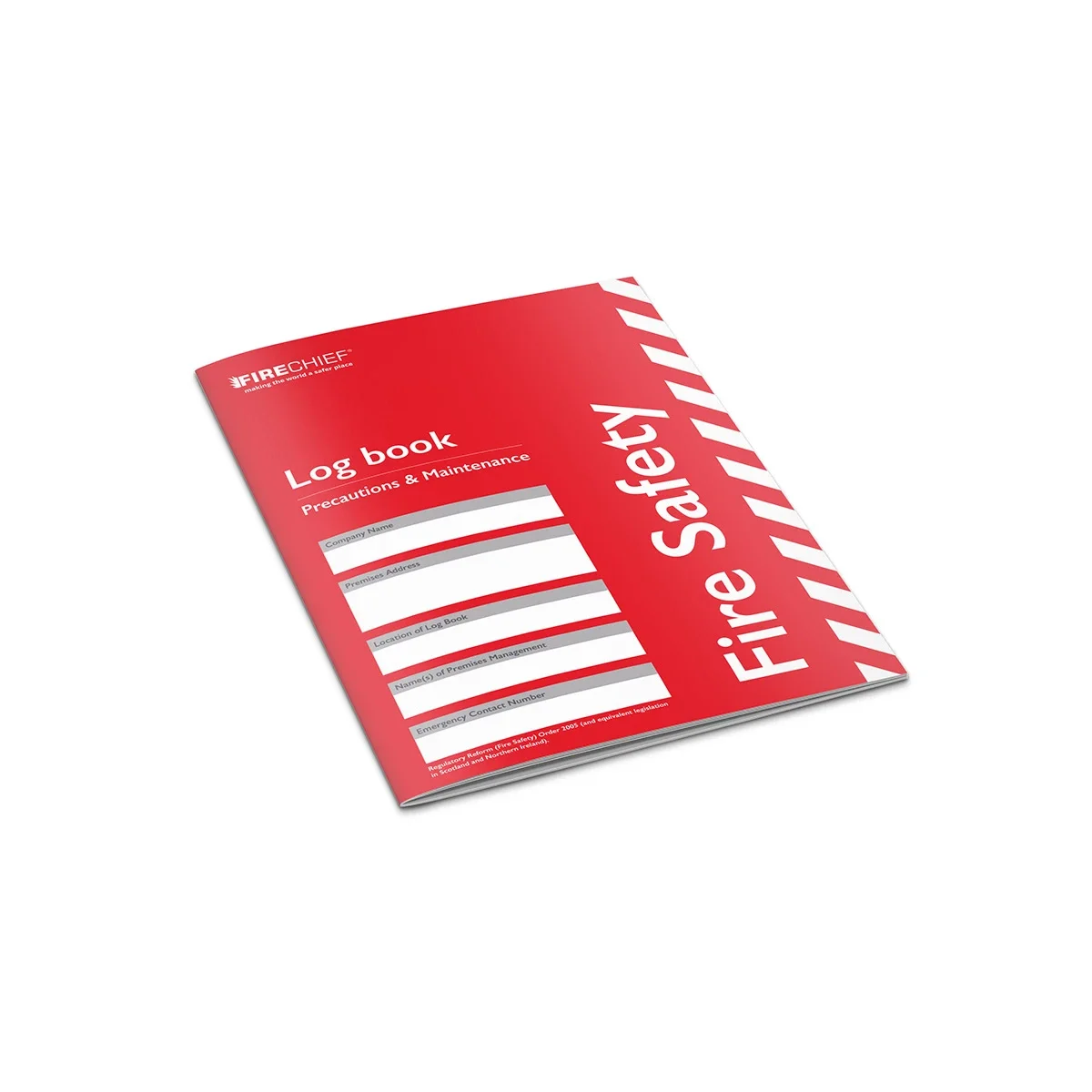
FIRE LOG BOOK: Explained
Fire Safety Log Books: More than a compliance requirement
[09 October 2026 By: RHQ Safety]
For many organisations, a fire safety log book is viewed as an administrative requirement. In reality, it is one of the most important records for demonstrating effective fire safety management, providing evidence of compliance, and helping responsible persons maintain a safe environment for occupants.
A well-maintained fire safety log book acts as a central record of all fire safety activities carried out within a building. It enables fire wardens, facilities managers, maintenance contractors, and enforcing authorities to quickly understand the fire safety measures in place and verify that systems are being properly inspected, tested, and maintained.
Under the Regulatory Reform (Fire Safety) Order 2005, organisations are expected to maintain appropriate fire safety records. Keeping an accurate and up-to-date log book not only supports compliance but also provides documented evidence that fire safety duties are being fulfilled.
What Should a Fire Safety Log Book Include?
A comprehensive fire safety log book should capture the results of routine inspections, testing, maintenance, and training activities, including:
Fire alarm testing and maintenance records
Emergency lighting inspections and testing
Fire extinguisher inspections and servicing
Fire door inspections
Escape route checks
Fire exit signage inspections
Fire drills and evacuation exercises
Fire safety training records
Recorded faults, defects, and corrective actions
Maintaining these records provides a clear audit trail and demonstrates a proactive approach to fire safety management.
Managing Escape Routes Effectively
Escape routes are fundamental to life safety and should be regularly inspected to ensure they remain available and effective in an emergency.
Routine checks should confirm that:
Escape routes remain free from obstruction at all times
Final exit doors are easy to open without special knowledge or equipment
Stairways, corridors, and exits are clear and well-maintained
Self-closing fire doors are functioning correctly
Automatic door release systems operate effectively when linked to fire alarms
Fire-resisting walls, doors, floors, and glazing remain intact and undamaged
Whenever significant changes are made to the building layout, the fire risk assessment should be reviewed to ensure escape arrangements remain suitable.
Fire Alarm Testing and Maintenance
Regular testing and maintenance of fire alarm systems are critical for ensuring reliable operation during an emergency.
Best practice includes:
Weekly testing of the fire alarm system using a different manual call point each time
Recording the location and outcome of each test
Periodic inspection and servicing by a competent engineer in accordance with relevant standards
Verification that automatic door release mechanisms operate correctly
Logging all alarm activations, including unwanted alarms, together with their causes and any corrective actions taken
Accurate records can help identify recurring issues and support the ongoing reliability of the system.
Fire Extinguisher Inspections
Portable fire extinguishers should be visually inspected on a routine basis to confirm they:
Are in their designated locations
Remain clearly visible and accessible
Show no signs of damage or tampering
In addition, extinguishers should receive annual inspection and maintenance by a competent service provider in accordance with applicable British Standards and manufacturer recommendations.
Emergency Lighting
Emergency lighting plays a vital role in enabling safe evacuation during a loss of normal power.
An effective inspection programme should include:
Routine visual checks
Monthly functional testing
Annual full-duration discharge testing by a qualified engineer
All inspections and test results should be recorded within the fire safety log book to provide a complete maintenance history.
Fire Door Inspections
Fire doors are a key component of a building's passive fire protection strategy. Regular inspections should verify that:
Doors close fully and correctly
Hinges, seals, and hardware remain in good condition
No unauthorised alterations have affected performance
Gaps and damage are within acceptable tolerances
As a minimum, fire doors should typically be inspected every six months, with more frequent inspections in high-traffic areas.
Staff Training and Fire Drills
Fire safety procedures are only effective when employees understand their responsibilities.
Organisations should ensure that:
Staff receive appropriate fire safety training
Fire evacuation procedures are clearly communicated
Refresher training is delivered when required
Fire drills are carried out regularly and recorded
Training records and drill outcomes should be retained within the fire safety log book to demonstrate ongoing competence and preparedness.
Why Accurate Fire Safety Records Matter
Maintaining a detailed fire safety log book provides more than just evidence of compliance. It demonstrates due diligence, supports risk management, assists maintenance contractors, and helps organisations identify trends before they become significant risks.
By implementing a structured inspection and recording process, organisations can strengthen their fire safety arrangements, protect occupants, and confidently demonstrate compliance during audits, inspections, or enforcement visits.
Need Support with Your Fire Safety Records?
Maintaining a compliant and effective fire safety log book can be challenging, particularly across complex or multi-site operations. Whether you need guidance on record keeping, fire risk assessments, inspection programmes, staff training, or overall fire safety compliance, professional support can help ensure your documentation remains accurate, up to date, and audit-ready.
Contact us today for expert advice, practical support, or a review of your current fire safety management arrangements. RHQ Safety & Compliance can help you develop robust systems that not only demonstrate compliance but also strengthen the safety of your people and premises.